Elizabeth Catlett
 American
|

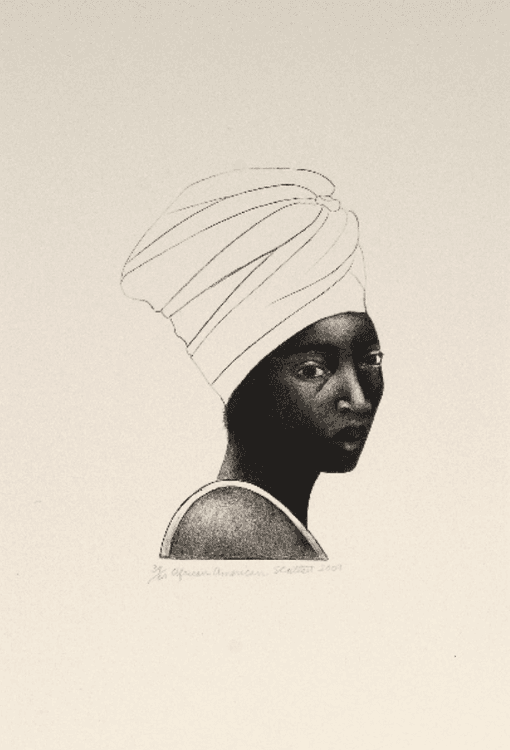
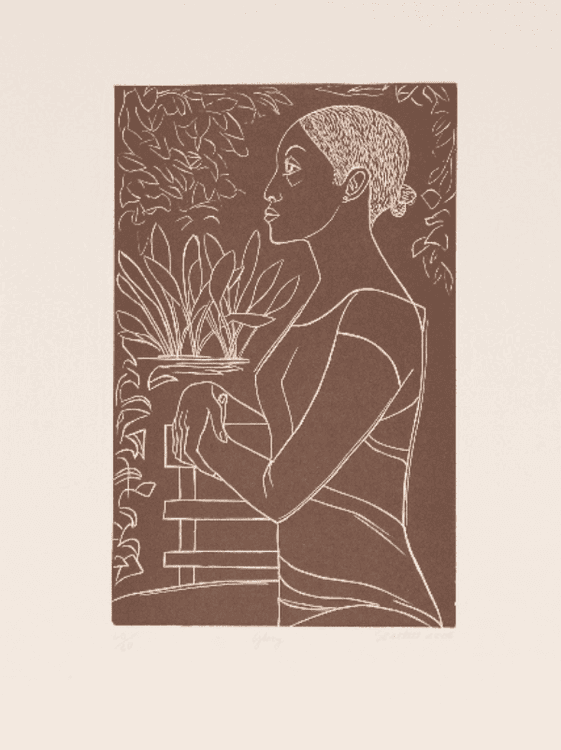
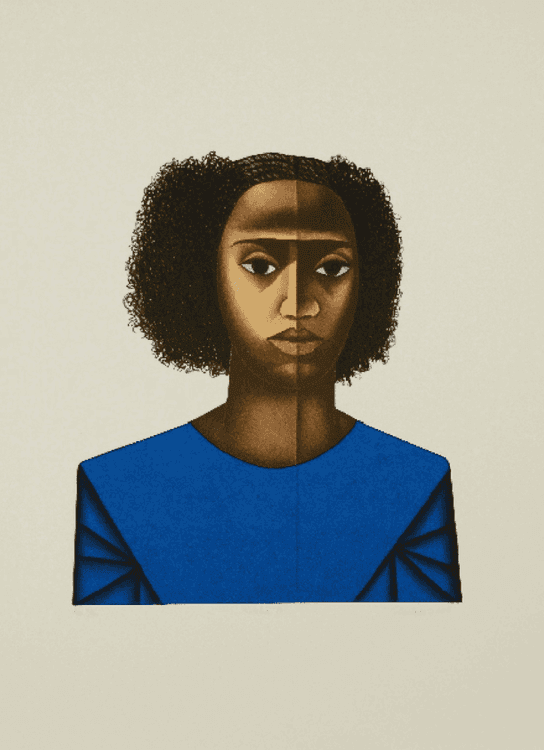
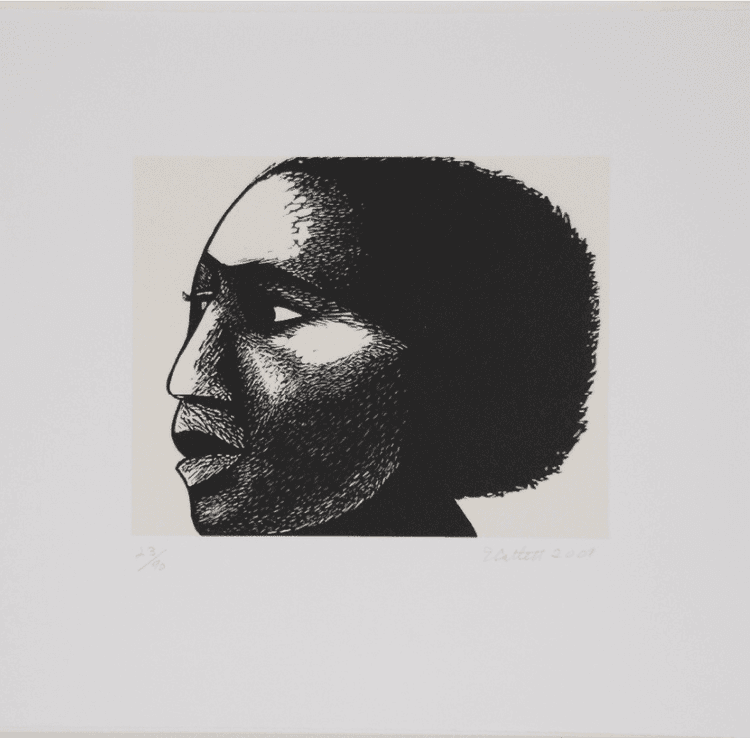
Elizabeth Catlett (1915-2012) was an acclaimed American-born Mexican sculptor and graphic artist known for her powerful depictions of the Black and Mexican experience. Her work, a blend of abstract and figurative forms, is characterized by its social realism and dedication to conveying social messages rather than pure aesthetics.Born in Washington, D.C., and the granddaughter of formerly enslaved people, Catlett faced racial barriers in her early career. After being denied admission to one university due to her race, she enrolled at Howard University, where she graduated with honors. She went on to become the first student to earn a Master of Fine Arts in sculpture at the University of Iowa in 1940. While there, her professor, Grant Wood, encouraged her to create art about what she knew best, inspiring her to focus on subjects from African American and, later, Mexican life.In 1946, Catlett received a Rosenwald Fund Fellowship to study in Mexico. She joined the Taller de Gráfica Popular, a collective of artists who used printmaking for social justice. Her time with this group shaped her politically and artistically, and she eventually became a Mexican citizen. Catlett’s artwork is a testament to her lifelong activism and commitment to human dignity, freedom, and Black liberation. A master of various mediums including wood, stone, clay, bronze, and printmaking, her works often center on the strength, resilience, and struggles of Black women, as seen in her iconic series The Black Woman (1946).Catlett's work is held in major institutions worldwide, including the Museum of Modern Art, the Smithsonian, and the National Gallery of Art. She was also an influential educator, becoming the first woman to teach sculpture at the National School of Fine Arts in Mexico City, a position she held for many years.